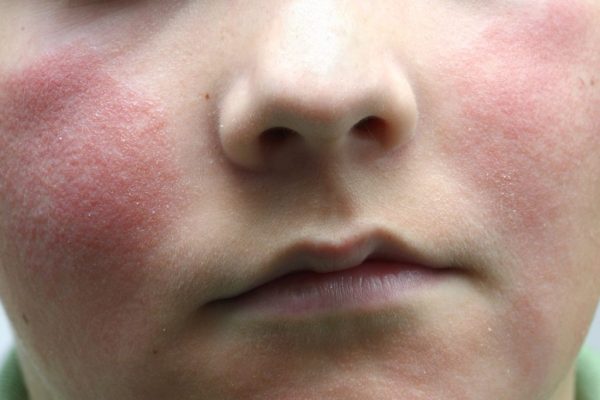
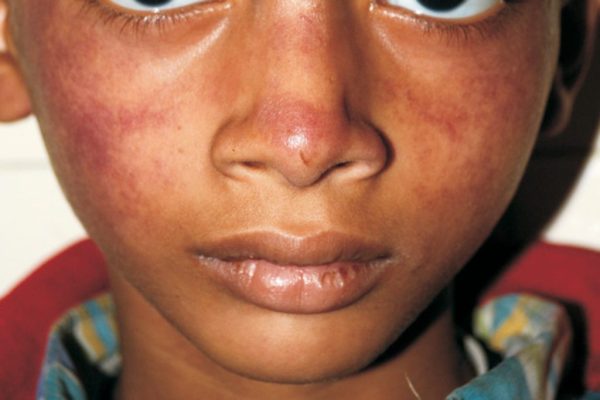
Slapped cheek disease, also known as fifth disease is caused by a virus called parvovirus B19. It can be hard to diagnose as most people don’t know they have it until the rash appears, which is also when it ceases to be contagious.
How slapped cheek syndrome is spread
The virus spreads by coughs and sneezes or by touching contaminated objects.
It’s hard to avoid spreading slapped cheek syndrome because most people do not know they have it until they get the rash.
You can only spread it to other people before the rash appears.
To reduce the risk of spreading the virus:
- wash your hands often with water and soap
- use tissues to trap germs when you cough or sneeze
- bin used tissues as quickly as possible
Information:
You do not have to stay off work or school after the rash appears.
Let the school or teacher know if your child has slapped cheek syndrome.
What to do:
• Drink lots of water
• Rest
• Take ibuprofen or paracetamol
• Use moisturiser or antihistamine cream on itchy skin
Symptoms:
• high temperature
• runny nose
• sore throat
• headache
• red rash on one or both cheeks
• spotty, itchy rash of raised red spots on the body
Who to call:
See your pharmacist for advice
You should see a GP if
- you’re pregnant
- you have a blood disorder, such as sickle cell disease or thalassaemia
- you have a weakened immune system – for example, because of chemotherapy, leukaemia or diabetes
For more information please see https://www.nhs.uk/conditions/slapped-cheek-syndrome/